Usher Law Group, P.C.
A Brooklyn litigation firm with a criminal defense practice in the same office, which is the combination a civil rights case needs. The civil claim and the criminal charge come out of the same encounter, and they are handled together from the first call.
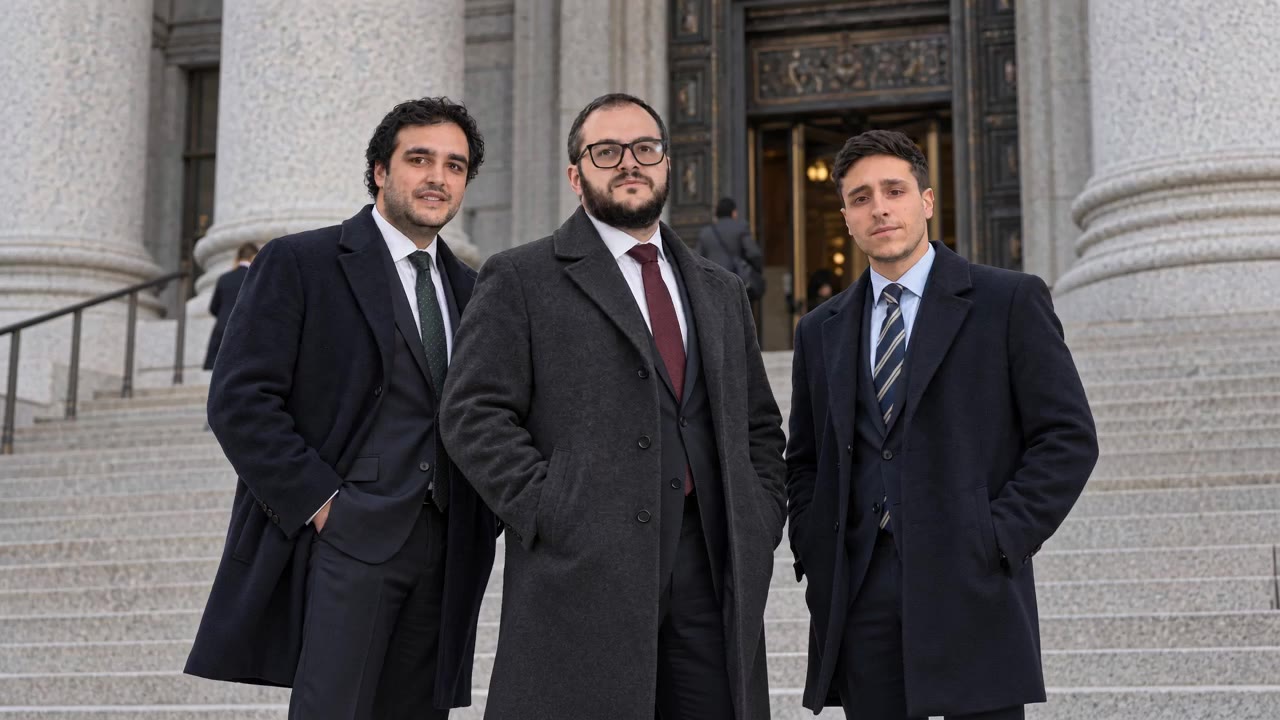
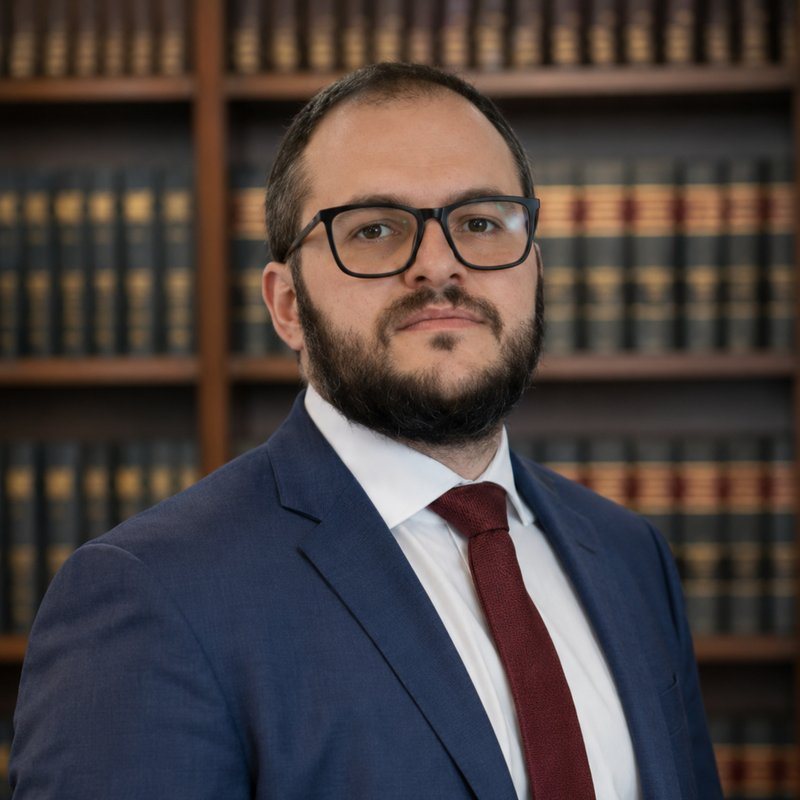
Mikhail Usher, Esq.
Founding & Managing Attorney
Mikhail Usher founded the firm in 2013 and has more than 15 years of practice. He leads the firm's litigation and criminal defense work, and he reviews every page of this site.
He studied political science at Brooklyn College and earned his law degree at St. Thomas University School of Law, where he competed on the school's national champion mock trial team. Thomson Reuters selected him for the Super Lawyers New York Metro Rising Stars list from 2015 through 2018 and for the Super Lawyers list in 2019 and 2020.
- Admitted
- New York, New Jersey, Florida
- Federal
- E.D.N.Y., S.D.N.Y., D.N.J.; Second and Third Circuits
- Languages
- English, Russian, Spanish
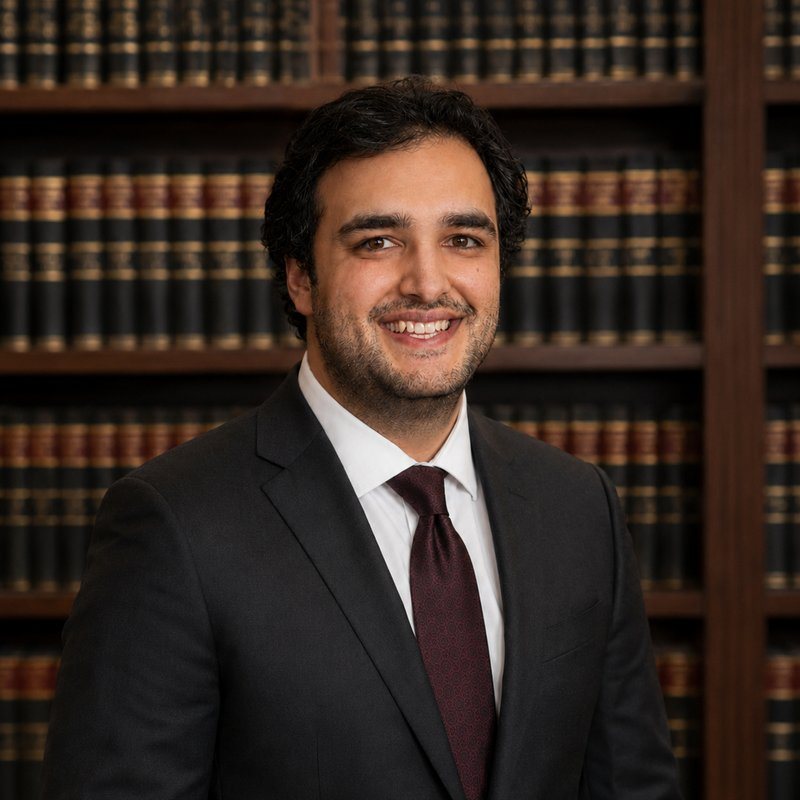
Alexander Susi, Esq.
Executive Senior Associate
Alexander Susi handles civil and commercial litigation, including the firm's civil rights cases, and immigration. He is the firm's attorney admitted in Pennsylvania.
He studied history and political science at New York University and earned his law degree at Boston University School of Law, where he did pro bono work for veterans and survivors of domestic violence.
- Admitted
- New York (2022); New Jersey, Pennsylvania (2023)
- Federal
- E.D.N.Y., S.D.N.Y., D.N.J.; Second Circuit
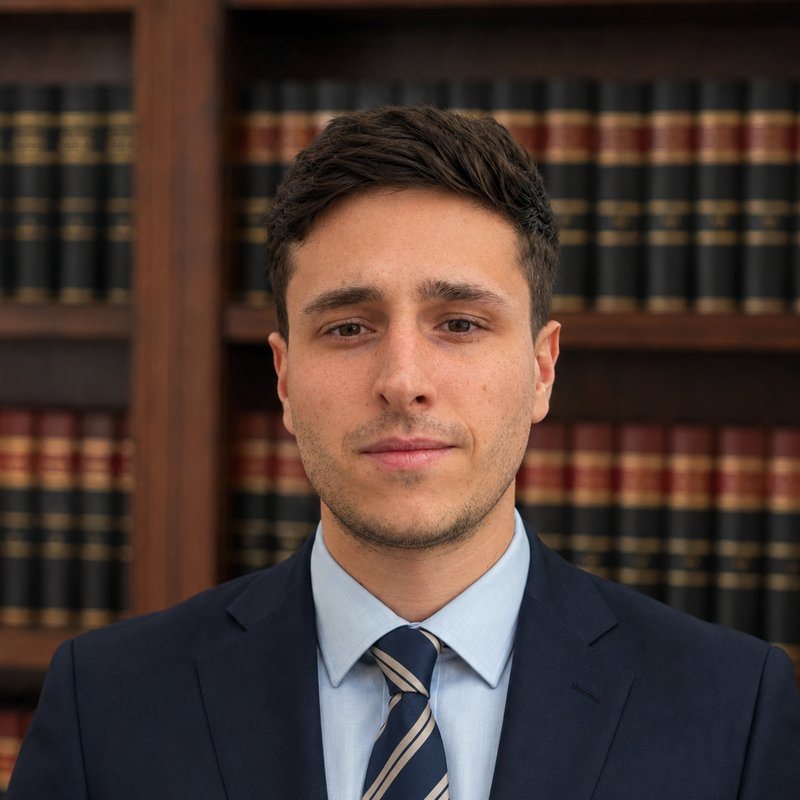
Mitchell Bromberg, Esq.
Senior Associate
Mitchell Bromberg's practice centers on detained clients, including people held by ICE, bond proceedings and appeals, and he works on the firm's civil rights cases that arise from detention.
He earned a bachelor's degree in political science at Hunter College and his law degree at the Benjamin N. Cardozo School of Law.
- Admitted
- New Jersey (2023), New York (2024)
- Federal
- E.D.N.Y., D.N.J.
- Languages
- English, Russian
Why civil and criminal belong in one office
Most Section 1983 claims begin with an arrest. The first questions are the criminal lawyer's: the charge, the evidence, what the prosecutor will do. The next are the civil litigator's: was there probable cause, what force was used and why, what the body-worn camera recorded, which agency employed the officers, and when the notice of claim runs.
The answers to the second set depend on the first. A plea can foreclose a claim under Heck v. Humphrey; a dismissal opens a malicious prosecution claim; the notice of claim can run out while the charge is still pending. We handle both sides, or coordinate closely with the client's defense lawyer, so that neither case is decided by accident.
Together the firm's attorneys bring over 20 years of collective experience. The firm has worked from the same Sheepshead Bay office since 2013, and Florida matters are handled through its Aventura office.
How we work on a civil rights case
An attorney does the analysis
Probable cause, force and immunity questions are attorney work, from the first call.
The deadline is protected first
Notices are served before anything else is decided. A noticed claim can be dropped; a missed one cannot be revived.
The record is secured early
Footage, 911 audio, medical records and disciplinary histories are requested and preserved in the first weeks.
Weaknesses are stated plainly
Including when immunity or the criminal record is a real obstacle, and when a case is not worth what it would cost to bring.
Where the rest of the firm's work lives
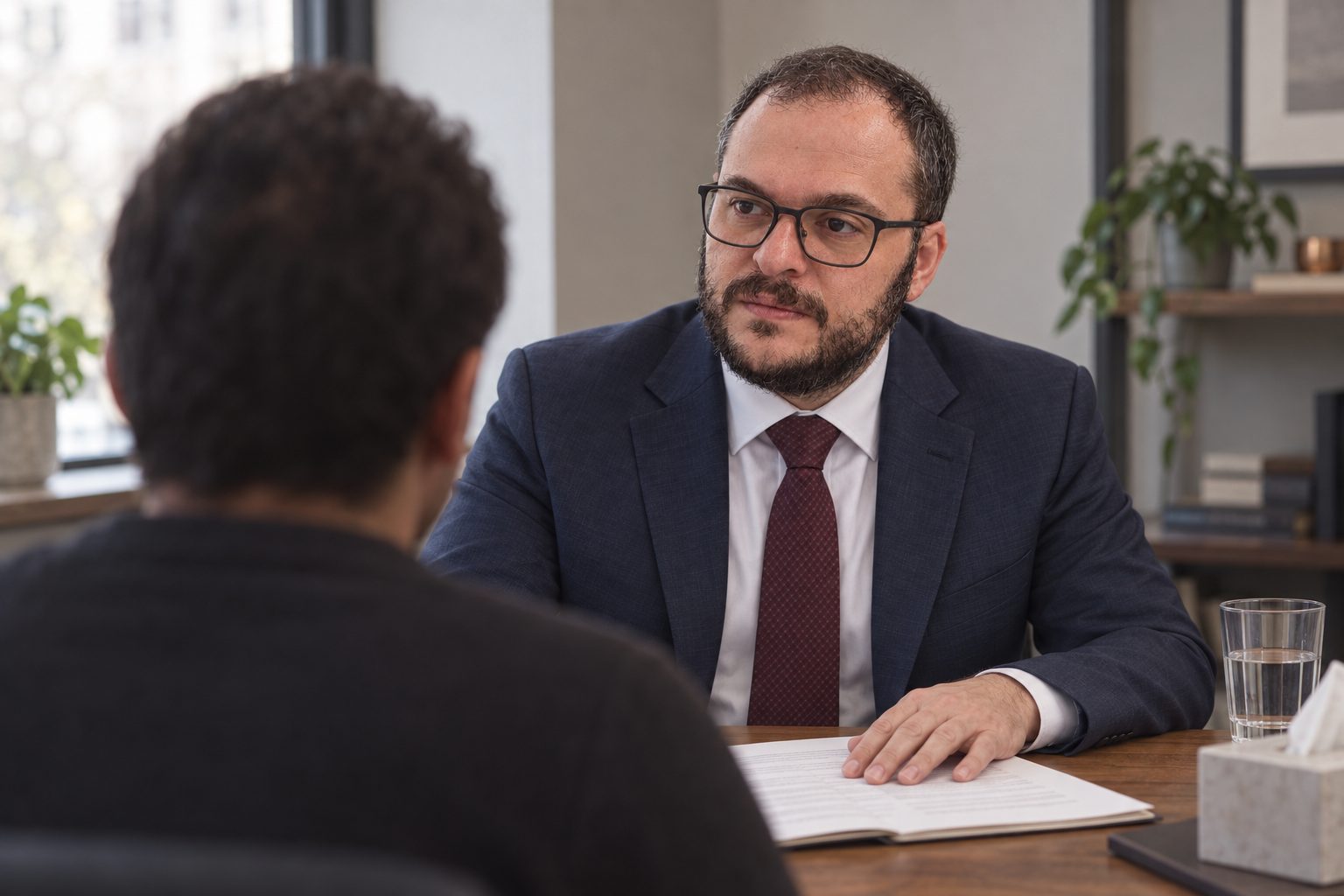
Discuss the matter with counsel.
A confidential conversation with an attorney. We identify the constitutional claims the facts support, the right defendants, the defenses that will be raised, and the first deadline that applies. If the matter belongs with another firm, we say so.
(718) 484-7510If a criminal charge is open, we coordinate with defense counsel before any statement is taken. English, Russian and Spanish in-house. Contingency fee, confirmed in a written retainer.